Conference Production Explained: Everything Corporate Event Planners Need to Know
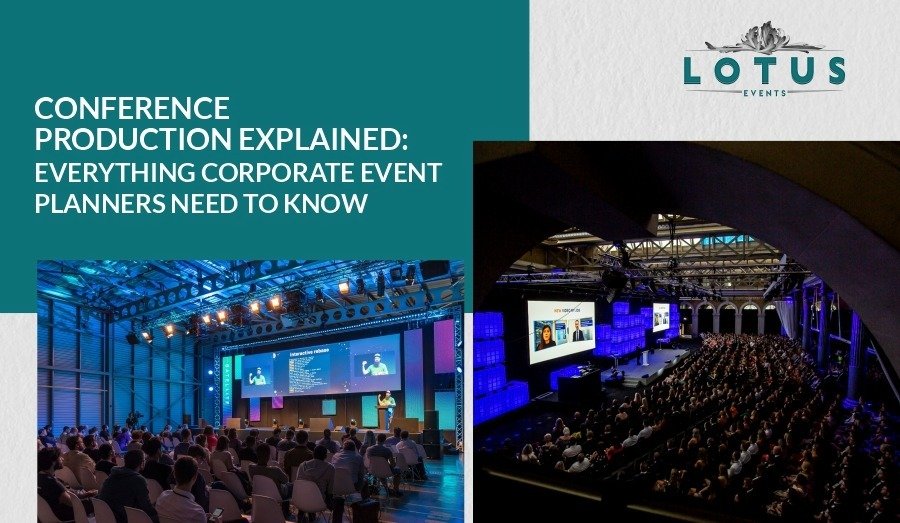

A successful conference may appear effortless to delegates, but behind the scenes it depends on careful planning, technical expertise and precise coordination.
Conference production brings together the sound, lighting, staging, screens, presentation content and technical teams required to deliver a professional live event. It ensures speakers can be heard clearly, presentations display correctly, branding is visible and the entire programme runs smoothly from the opening welcome to the final session.
For corporate event planners, understanding conference production is essential. The right production partner can transform a straightforward meeting into an engaging, polished and memorable event, while poor technical planning can quickly undermine even the strongest content.
This guide explains what conference production includes, how the process works and what organisers should consider when planning their next event.
What Is Conference Production?
Conference production is the technical and creative delivery of a conference, meeting or corporate presentation.
It covers all the equipment, personnel and planning needed to support speakers, presentations, videos, panel discussions and audience interaction. Depending on the size and format of the event, this may include:
- Sound systems and microphones
- Stage lighting and room lighting
- LED screens, projection and presentation displays
- Staging, lecterns and conference furniture
- Presentation management
- Video playback and graphics
- Live streaming and hybrid event technology
- Recording and photography
- Technical rehearsals
- On-site production management
Conference production is not simply a matter of hiring equipment. Every technical element must be designed around the venue, audience size, programme, speaker requirements and objectives of the event.
Why Is Professional Conference Production Important?
Delegates may not notice when conference production is working perfectly, but they will immediately notice when it is not.
Poor sound, unreadable presentation slides, awkward lighting or long delays between speakers can affect audience concentration and damage the professionalism of the event.
Professional production helps to ensure:
Speakers can be seen and heard clearly
The sound system must provide even coverage throughout the room, whether the audience is seated close to the stage or at the back of a large conference hall.
Lighting should also ensure that speakers are clearly visible without making the stage feel harsh or overexposed.
Presentations run without interruption
Corporate conferences often include multiple speakers, presentation files, videos, graphics and panel sessions.
A presentation technician can prepare and manage this content in advance, reducing the risk of incorrect slides, compatibility problems or awkward pauses.
The event reflects the company’s brand
Production can be used to reinforce branding through screen graphics, stage sets, lecterns, lighting, signage and digital content.
A well-designed stage environment creates a strong visual identity and gives the conference a more polished appearance
The programme remains on schedule
A dedicated production manager or show caller coordinates speakers, technicians, presentation cues, videos, lighting changes and session timings.
This level of control is especially valuable when the agenda includes several speakers, awards, panel discussions or live entertainment.
Delegates remain engaged
Large screens, strong visuals, carefully designed lighting and clear sound all help audiences stay focused.
Production can also support interactive elements such as live polling, audience questions, remote speakers and social media displays.
What Does a Conference Production Company Do?
A conference production company manages the technical requirements of the event from the initial planning stage through to the live delivery.
The process normally begins with a detailed discussion about the event, including:
- The number of delegates
- The venue and room layout
- The conference agenda
- The number of speakers
- Presentation and video requirements
- Branding expectations
- Streaming or recording requirements
- Access and installation times
- The available budget
The production team will then recommend a suitable technical solution and prepare an equipment specification, crew schedule and production plan.
On the event day, technicians install and test the equipment, support rehearsals and operate the conference throughout the live programme.
The Main Elements of Conference Production
Sound and Microphones
Clear sound is one of the most important aspects of any conference.
The audio system should be selected according to the size, shape and acoustics of the room. A small boardroom-style conference may require only a compact speaker system, while a large plenary session may need a distributed sound system positioned throughout the venue.
Microphone options may include:
- Wireless handheld microphones
- Lapel microphones
- Headset microphones
- Lectern microphones
- Table microphones for panel discussions
- Catchbox or roving microphones for audience questions
The correct microphone will depend on the speaker, presentation style and session format.
A sound engineer should monitor levels throughout the event and respond immediately if a microphone needs adjusting.
Screens, Projection and LED Displays
Presentation screens allow delegates to follow slides, videos, data and speaker content.
The choice between projection and LED screens will depend on the venue, room lighting, audience size and desired visual impact.
Projection can work well in darker conference environments, while LED screens provide strong brightness and clarity in rooms with higher levels of ambient light.
Large conferences may also require repeater screens so that delegates seated further from the stage can see the presentation clearly.
When planning screen content, organisers should consider:
- Screen size and viewing distances
- Presentation aspect ratio
- Font sizes
- Video resolution
- Branding and holding slides
- Speaker names and session titles
- Live camera feeds
Slides should always be designed for the room rather than simply transferred from a desktop presentation.
Staging and Set Design
The stage forms the visual focus of the conference.
A simple conference stage may include a raised platform, lectern, screen and branded backdrop. A larger event may require a fully designed stage set with LED screens, scenic panels, lighting features and multiple presentation areas.
Stage design should support the content rather than distract from it.
It must also allow enough space for:
- Individual speakers
- Panel discussions
- Interview-style sessions
- Product demonstrations
- Awards presentations
- Entertainment or special features
Safe access, step positions and wheelchair access should also be considered during the design process.
Conference Lighting
Conference lighting has both a practical and creative role.
Speakers must be clearly lit for the live audience, photography and video recording. At the same time, lighting can be used to create atmosphere, highlight branding and distinguish the stage from the rest of the room.
Lighting may include:
- Stage washes
- Lectern lighting
- Panel discussion lighting
- Decorative uplighting
- Moving lights
- Branded colour schemes
- Audience lighting
- Lighting for networking or evening receptions
Conference lighting should be planned in relation to the venue’s existing fixtures, ceiling height and available power.
Presentation Management
Presentation management is particularly important at conferences involving several speakers.
Rather than asking each speaker to connect their own laptop, presentations can be collected and checked in advance. A technician then manages all slide decks, videos and graphics from a central control position.
This helps to create smoother transitions and allows technical issues to be identified before the session begins.
Speakers should ideally submit their content before the event. However, a speaker preview area can also be provided for last-minute updates and checks.
Video Production and Recording
Many organisations choose to record their conferences for internal communications, training, marketing or future digital content.
Video production may include:
- Single-camera recording
- Multi-camera filming
- Live camera feeds to screens
- Speaker interviews
- Highlight films
- Full session recordings
- Social media clips
- Branded video content
Camera positions should be planned carefully so that they provide clear coverage without obstructing delegates.
Where presentations are being recorded, it is also important to capture clean audio and obtain the necessary permissions from speakers.
Live Streaming and Hybrid Conferences
A hybrid conference combines an in-person audience with online delegates or remote speakers.
This requires more than simply placing a camera at the back of the room. The technical team must manage sound, video, presentation content, online contributions and communication between the physical and virtual audiences.
Hybrid conference production may involve:
- Streaming platforms
- Remote presenter connections
- Live captions
- Online audience questions
- Virtual breakout sessions
- Recorded content
- Presentation sharing
- Dedicated streaming technicians
Reliable venue internet connectivity is critical. A separate wired connection is usually preferable to relying on public Wi-Fi.
Branding and Conference Graphics
Production offers several opportunities to incorporate the event or company brand.
Branding can appear on:
- Stage backdrops
- Presentation screens
- Lecterns
- Holding slides
- Speaker name graphics
- Digital signage
- Registration areas
- Directional signage
- Live stream pages
Consistent design across these elements helps create a cohesive event experience.
Organisers should provide brand guidelines, logos and approved artwork formats early in the planning process.
What Happens Before the Conference?
Strong conference production begins well before the event day.
Initial Briefing
The production company should first understand the purpose of the conference and the experience the organiser wants to create.
A leadership conference, product launch, annual meeting and industry summit may all require very different production approaches.
Venue Visit
A technical site visit allows the production team to assess:
- Room dimensions
- Ceiling heights
- Stage positions
- Loading access
- Power supply
- Rigging options
- Internet connectivity
- Control desk positions
- Fire exits
- Installation schedules
This information is essential when preparing an accurate production plan.
Technical Proposal
Following the briefing and venue visit, the organiser should receive a clear technical proposal outlining the recommended equipment, staffing and production services.
The proposal should explain what is included and identify any assumptions or additional venue costs.
Content Planning
The production team will need information about the agenda, speakers, presentation formats, videos and special cues.
A running order or production schedule should be created showing exactly what happens during each part of the conference.
Speaker Preparation
Speakers should receive clear guidance covering:
- Presentation deadlines
- Slide dimensions
- Video formats
- Microphone arrangements
- Arrival times
- Rehearsal schedules
- Stage access
- Remote presentation requirements
This reduces uncertainty and helps speakers feel more confident.
Technical Rehearsal
A rehearsal allows the production team to test microphones, presentation content, videos, lighting cues and speaker positions.
For complex conferences, the rehearsal may include a complete run-through of the programme. For simpler events, a technical check and speaker briefing may be sufficient.
What Happens on the Conference Day?
Production teams will usually arrive several hours before the event, or the previous day for larger installations.
The equipment is installed, tested and prepared before speakers and delegates arrive.
The live production team may include:
- Production manager
- Show caller
- Sound engineer
- Lighting technician
- Video technician
- Presentation technician
- Camera operators
- Streaming technicians
- Stage manager
- Technical assistants
During the conference, each technician is responsible for a specific area, while the production manager oversees the complete operation.
Communication systems allow the team to coordinate cues discreetly throughout the event.
How Much Does Conference Production Cost?
Conference production costs vary considerably depending on the size and complexity of the event.
Factors affecting the budget include:
- Number of delegates
- Venue size
- Stage and set requirements
- Screen technology
- Number of microphones
- Lighting design
- Number of technicians
- Installation and de-rig times
- Recording or streaming
- Branding and content creation
- Venue access restrictions
- Event duration
A small conference using standard venue equipment may require a modest technical package. A large conference with a bespoke stage, LED screen, multiple cameras and live streaming will require a more substantial production budget.
Organisers should provide an expected budget early in the process. This allows the production team to recommend the most effective solution within the available spend.
Common Conference Production Mistakes
Leaving production planning too late
Popular equipment, specialist technicians and suitable installation times may become difficult to secure close to the event date.
Production should be considered when the venue is being selected, not after the event format has already been finalised.
Relying entirely on venue equipment
Venue equipment can be useful, but it may not always be sufficient for the audience size, room layout or desired standard of presentation.
The specification should be reviewed by an experienced production professional.
Underestimating setup time
Large stages, LED screens, lighting rigs and streaming systems require significant installation and testing time.
Late access can increase crew costs and reduce the time available for rehearsals.
Failing to check presentation content
Presentation files should be checked for formatting, missing fonts, embedded videos and incorrect screen dimensions before the event.
Ignoring sightlines
Screens, stages and set pieces must be positioned so that all delegates have a clear view.
A layout that works for the front row may not work for guests seated further back.
Overcomplicating the stage design
Production should enhance the conference content, not overwhelm it.
A clean and carefully proportioned stage often appears more professional than an unnecessarily elaborate design.
Choosing a Conference Production Partner
A good conference production partner should be able to combine technical expertise with practical event management.
Corporate event planners should look for a supplier that:
- Has experience delivering business conferences
- Can explain technical recommendations clearly
- Provides detailed and transparent proposals
- Understands venue restrictions
- Offers appropriate backup equipment
- Uses experienced technicians
- Supports rehearsals and speaker preparation
- Can manage multiple production services
- Responds quickly to programme changes
- Understands the importance of brand presentation
The relationship should feel collaborative. The best production teams do not simply supply equipment; they help organisers make informed decisions and reduce risk.
Conference Production With Lotus Events
Lotus Events provides conference production services for corporate events across London and the UK.
We can support every stage of the process, from venue selection and initial technical planning through to staging, sound, lighting, screens, presentation management and live event delivery.
Our team works closely with organisers to understand the conference objectives, audience and programme before recommending the most appropriate production solution.
Conference production can be provided as a standalone service or combined with venue finding, event management, catering, branding, entertainment and delegate support.
Whether you are planning a leadership meeting, annual conference, company presentation, industry summit or large-scale corporate event, we can create a professional production package tailored to your requirements.
Planning a Corporate Conference?
The earlier conference production is considered, the more opportunity there is to develop an effective technical plan, manage costs and avoid last-minute problems.
Speak to Lotus Events about your next conference and our team can help with the venue, production, catering and complete event delivery.
Contact us to discuss your conference requirements and receive a tailored proposal.
What's Your Reaction?